

Every home with broadband could be charged £11 a month to help fund the BBC under a proposal from the Social Market Foundation. Its Home Internet Levy would replace the existing TV Licence and give everybody access to BBC programmes without a separate licence.
The levy would cost £132 a year, compared with £180 for the current TV Licence. That makes it £48 cheaper for somebody who already pays for a licence. The sting is that households which legally pay nothing today would suddenly receive a £132 annual bill.
Simply owning a Roku, smart TV or Netflix subscription does not mean you need a TV Licence. You need one if you watch television live on any channel or service, or use BBC iPlayer. Somebody who watches only on-demand programmes elsewhere can legally go without. The proposed broadband levy would remove that choice.
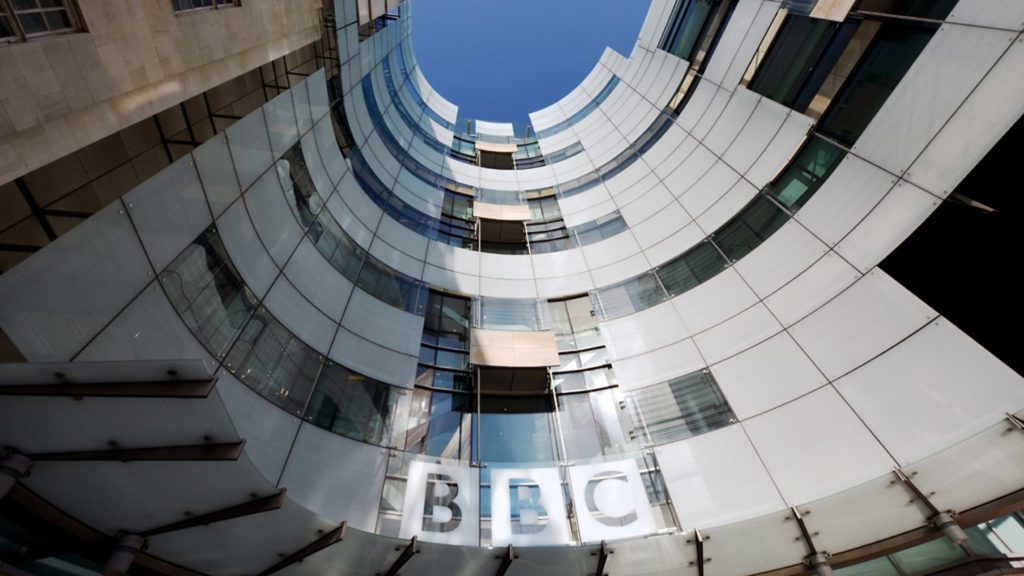
Image Credit: BBC
BBC Broadcasting House in central London
The saving comes from charging more households
The Social Market Foundation suggests a cheaper rate for people receiving discounted social-tariff broadband. However, the exact reduction and who would receive it have not been settled. Broadband providers would also have to collect the money, placing a broadcasting charge on the same bill as an increasingly essential household service.
The report offers another option if the TV Licence survives: a smaller News and Culture Levy of £2.30 a month added to broadband bills. That would raise money for news and cultural programmes, but it would sit on top of the licence rather than replace it. Households paying both would therefore face another £27.60 a year.
None of this has been agreed. The government is considering how the BBC should be funded after its current Royal Charter ends in December 2027, and the existing licence system remains in place. The £11 figure comes from the Social Market Foundation’s proposal, rather than an announcement that broadband bills are definitely going up.