
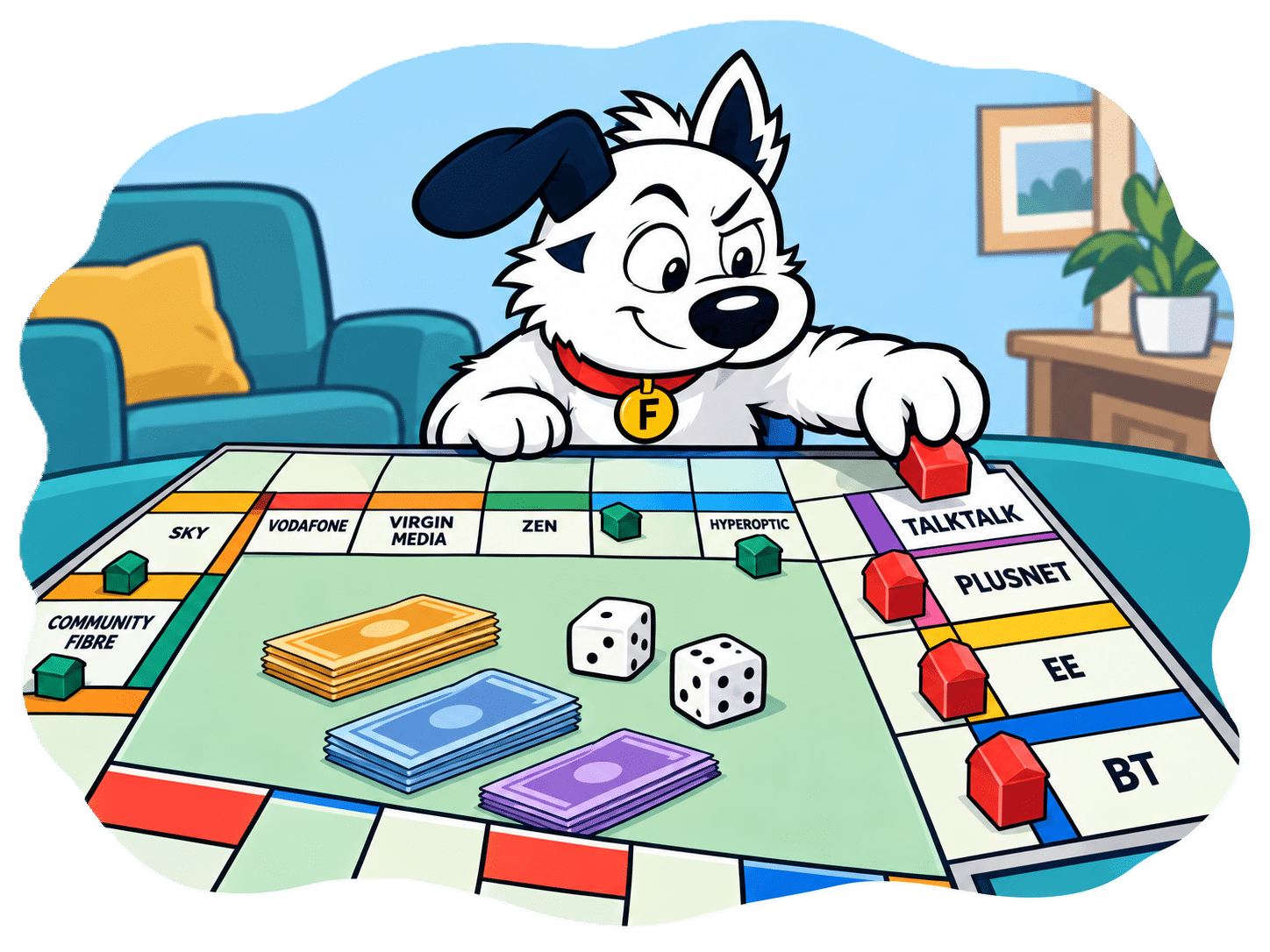
BT Group bought TalkTalk and its wholesale business, PlatformX Communications, out of administration on 5 October. The deal was completed without TalkTalk’s debts and is expected to cost BT about £400 million once the purchase, administration expenses and other costs are included. It protects 1.5 million TalkTalk customers and another one million connections supplied through PlatformX.
For TalkTalk customers, remarkably little changes today. You remain with TalkTalk, your contract and monthly price stay the same, and your existing router will continue working. Bills, payments and customer support also remain where they are. The TalkTalk name isn’t disappearing, at least for now.
The purchase is complete, but BT hasn’t been given a free hand to combine everything. TalkTalk and BT will remain separate and continue competing while the deal is examined. The Competition and Markets Authority has opened an investigation and must report to the government by 19 October.
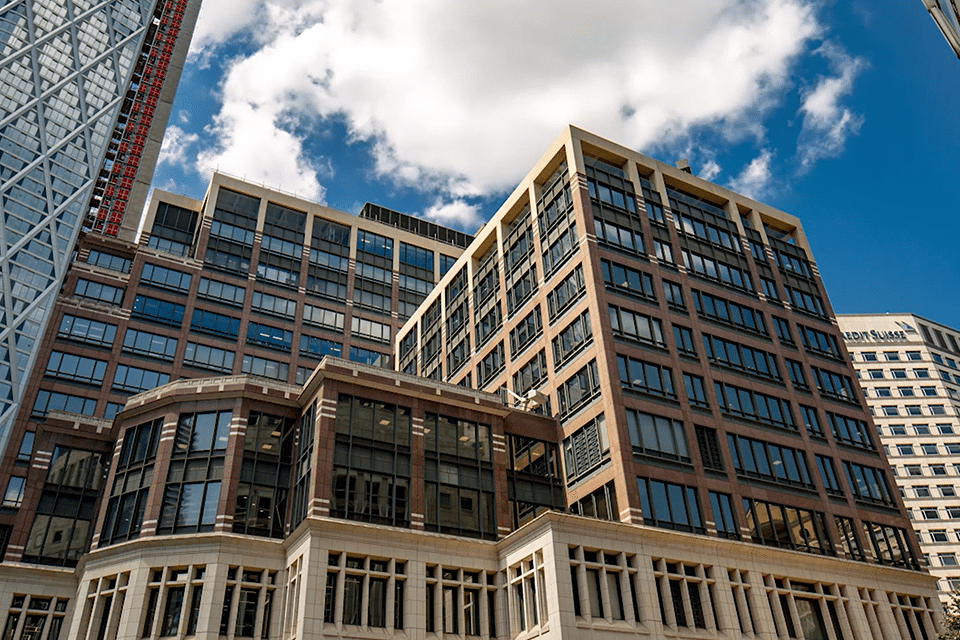
Image credit: GOV.UK
The offices the Competition and Markets Authority in Canary Wharf, London
Why this rescue could be good news
TalkTalk was in serious trouble. It had around £1.5 billion of debt, was losing money and had already spent months trying to find buyers for its consumer and wholesale businesses. Several interested parties came and went without producing a deal for the whole company. The danger of failure was real, rather than something invented to make BT’s offer sound heroic.
A disorderly collapse could have affected far more than home broadband. TalkTalk and PlatformX support hospitals, schools, emergency services, medical alarms, banks and other public services. The government believed any sudden interruption could place vulnerable people at risk. All 900 employees from the two operating businesses have also transferred across with the sale.
BT is unusually well placed to keep everything running because Openreach is already TalkTalk’s largest supplier. It has the money, people and infrastructure needed to stabilise the business without hurriedly moving 1.5 million households somewhere else. For customers worried about losing their connection, that certainty is the clearest argument in favour of the deal.
Why the takeover should still make you uneasy
BT was already Britain’s largest broadband provider, with around 8.2 million connections spread across BT, EE and Plusnet. TalkTalk adds another 1.5 million. The Financial Times estimates that BT’s share of the retail broadband market will rise from about 31% to 36%. You could soon compare four familiar broadband names and still end up paying the same company.
There is a second layer to this. BT owns Openreach, the network used by hundreds of competing providers, and has now acquired PlatformX, which supplies another one million wholesale connections. Openreach is separately governed and regulated, but the country’s largest retail provider now controls an even bigger collection of businesses sitting behind its competitors.
Fewer independent providers usually means less pressure to cut prices, improve service or offer better renewal deals. TalkTalk may have struggled, but it was still one of the few broadband names operating nationally at a meaningful scale. If it eventually becomes little more than another BT label, customers will have lost a competitor even if its logo remains on the bill.