
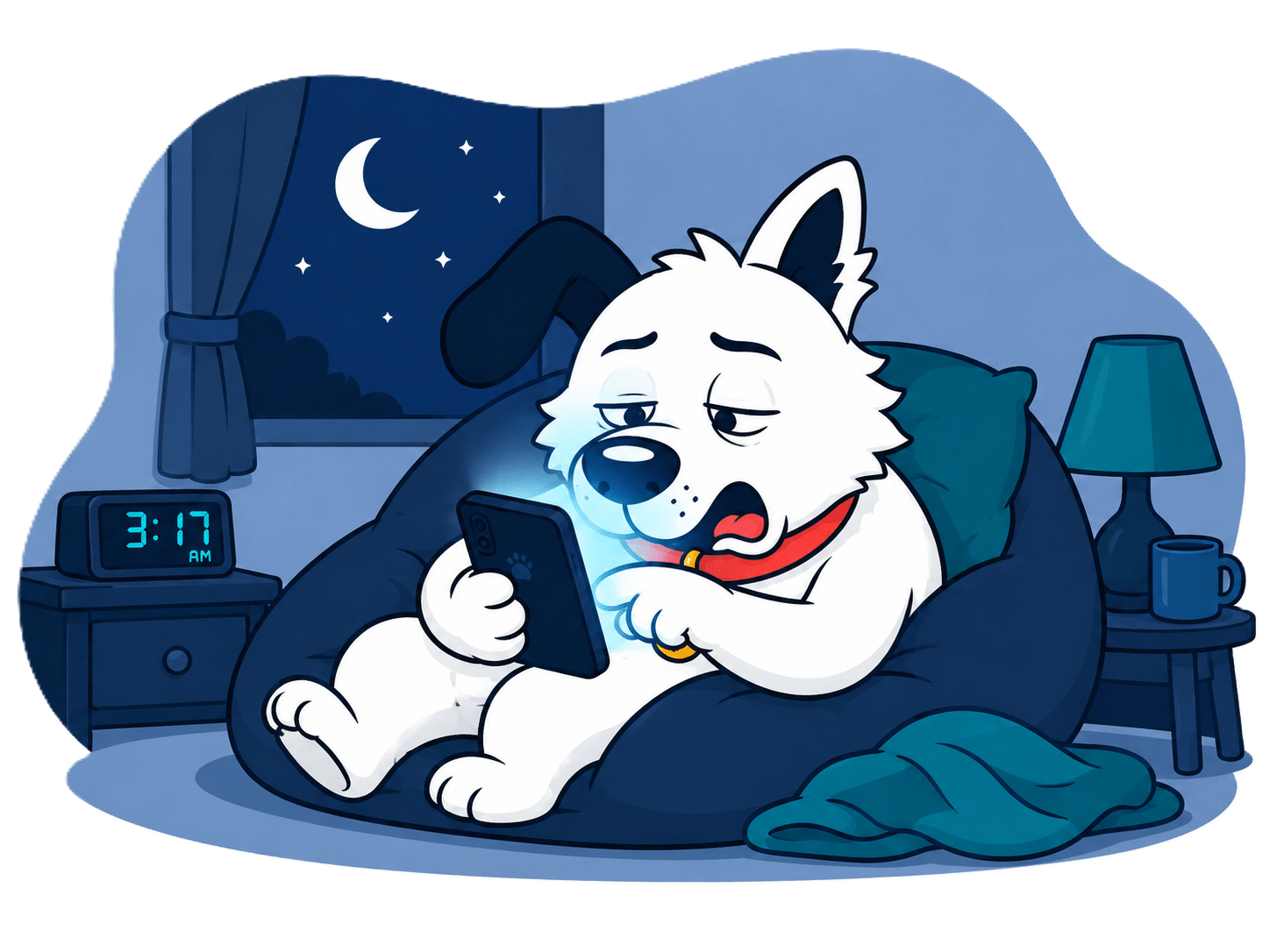
Social media apps including Instagram, TikTok and YouTube will be unavailable by default between midnight and 6am for UK teenagers aged 16 and 17, under new government proposals. Teenagers won’t actually be banned from using them overnight, however, because they will be able to remove the restriction through their account settings.
The government also wants features designed to keep people glued to their screens, including automatic video playback and infinite scrolling, disabled by default. Regular breaks would be introduced for under-18s using AI chatbots, with further protections being considered for chatbots offering romantic relationships or mental health advice.
The measures are expected to go before Parliament by the end of 2026 and come into effect next spring. They will sit alongside the government’s considerably tougher ban on under-16s using major social media platforms, which was announced in June.
Image credit: Fibredog
Are the big social media companies doing enough? The Government doesn’t think so
Will a curfew teenagers control achieve anything?
Critics say a restriction that teenagers can switch off themselves is unlikely to change much. Professor Sonia Livingstone, an expert in children’s digital rights, told the BBC that stopping notifications from waking teenagers made sense. Preventing a vulnerable teenager from reaching trusted support during the night, however, could potentially cause harm.
The government tested several restrictions with 300 teenagers over one month, including completely disabling social apps, limiting them to one hour per day and blocking them between 9pm and 7am. Families testing the curfew reported better sleep, improved concentration and more time talking together. Researchers found it easier for parents to manage than the other restrictions, although academics have warned that such a small trial can only tell us so much.